What is a dry period?
A dry period refers to a prolonged stretch of time with little or no rainfall, resulting in reduced availability of freshwater. In the Maldives, where rainfall is the primary source of freshwater for households and communities, dry periods can quickly affect water security, sanitation, and daily routines.
Dry periods are a slow-onset climate hazard. While their impacts may develop gradually, they can accumulate over time and significantly affect communities if not managed early.
How do dry periods occur in the Maldives?
Dry periods in the Maldives are closely linked to seasonal weather patterns and climate variability. Rather than beginning with a single event, they develop gradually when rainfall remains below average over an extended period. They commonly occur when:
Rainfall is lower than normal during certain monsoon phases
Weather systems that typically bring rain are absent or weakened
Dry and stable atmospheric conditions persist over several weeks
Because the Maldives has no rivers or large freshwater bodies, communities depend heavily on rainwater harvesting, groundwater lenses and . When rainfall is limited for extended periods, water storage systems are not replenished, and groundwater quality may deteriorate.
How dry periods are monitored and communicated
The Maldives Meteorological Service monitors rainfall patterns and seasonal trends and provides weather updates, forecasts, and advisories that indicate prolonged dry conditions.
While dry periods do not usually trigger rapid-onset alerts like storms or floods, early information on below average rainfall and extended dry conditions helps authorities and communities plan water use and conservation measures in advance.
What impacts can dry periods cause?
Dry periods can affect multiple aspects of life in the Maldives.
Common impacts include:
Reduced availability of rainwater in household and community tanks
Increased reliance on groundwater or desalinated water, placing strain on systems
Deterioration of groundwater quality.
Challenges for sanitation and hygiene, especially where water use must be limited
Stress on agriculture, and landscaping, leading to crop losses
Because islands are small and resources are limited, prolonged dry periods can affect entire communities at the same time.
Recent dry period experiences and Impacts
In the Maldives, extended dry periods, especially during the northeast monsoon dry season from January to March are more than just a shift in weather patterns. They have increasingly led to freshwater shortages and community stress, especially on islands where most households depend on rainfall harvesting for water.
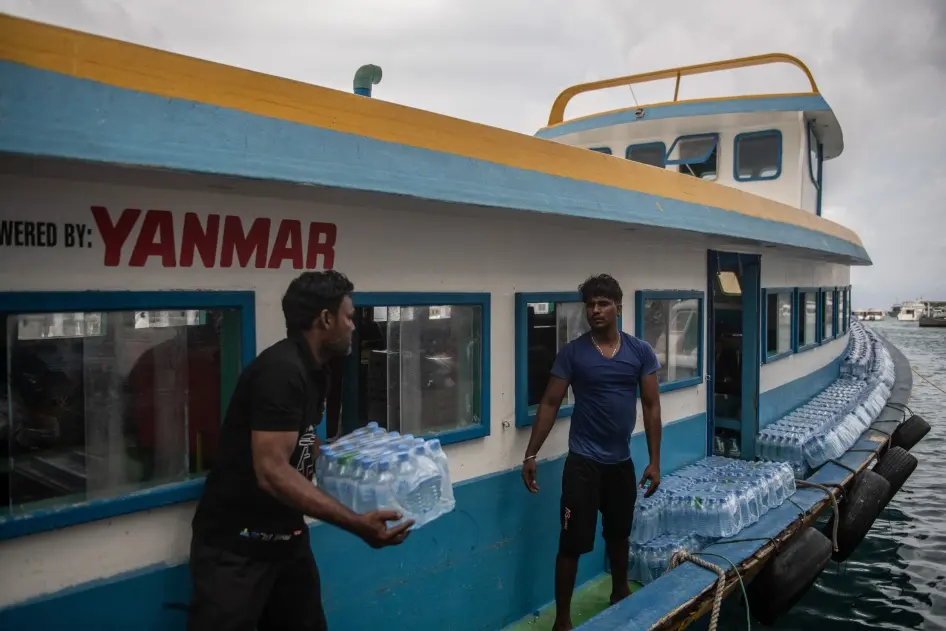
Communities on many islands face annual drinking water shortages during prolonged dry seasons, forcing reliance on emergency water deliveries such as transported mineral water. Unreliable rainfall and extended dry spells also contribute to water scarcity, reduced rainwater yields, and stress on groundwater resources, making long-term water security a key concern. Studies note that when rainwater yields diminish and dry seasons extend, many households struggle to capture enough water from infrequent rainfall, affecting basic water needs.
Prolonged dry conditions also have broader human and social impacts. In some islands, residents report that rainwater tanks run dry for extended periods, undermining daily water use and requiring outside assistance for safe water supply.
Marginalized and island communities are often affected the most, with inadequate water infrastructure and limited alternatives increasing their vulnerability during dry seasons.
Warning signs of a developing dry period
Dry periods often develop gradually. Common indicators include:
Several weeks of little or no rainfall
Falling water levels in household and community storage tank
Drying vegetation and reduced soil moisture
Monitoring seasonal weather updates helps communities recognize dry conditions early.
Practical preparedness actions during dry periods
Early and responsible water management is key to reducing the impacts of dry periods.
Linkages to other hazards
Dry periods are closely linked to and can worsen other hazards, including:
Understanding these linkages helps communities plan more effectively during extended dry conditions.
Reducing risk through early action and awareness
Dry periods may not cause immediate damage, but their impacts can build steadily over time. In a country that relies heavily on rainfall, early awareness, responsible water use, and collective action are essential to reducing risk.
By monitoring weather information, conserving water, and supporting one another, communities can better manage dry periods and protect health, livelihoods, and essential services.