What is an epidemic?
An epidemic occurs when an infectious disease spreads more widely or rapidly than normally expected, affecting a significant number of people within a defined population over a short period of time.
Epidemics are recognised as a high-impact public health hazard, as they can overwhelm health services, disrupt daily life, and disproportionately affect vulnerable populations. Unlike isolated illness, epidemics require coordinated public health action at national, island, and community levels.
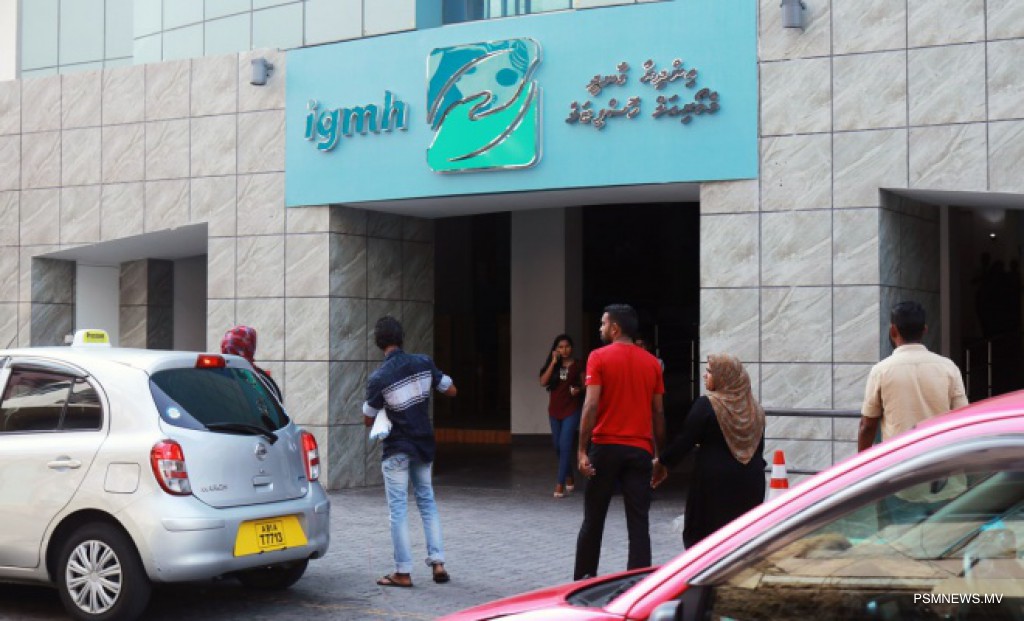
How do epidemics occur in the Maldives?
Epidemics in the Maldives can arise due to a combination of biological, environmental, and social factors, including:
Close living arrangements and high levels of community interaction in island settings
Movement of people between islands, urban centres, and international destinations
Environmental conditions such as flooding, prolonged dry periods, or heat stress, which can affect hygiene and immunity
Water and sanitation challenges, particularly during emergencies
Introduction of new or re-emerging infectious diseases
Because islands are compact and communities are closely connected, infectious diseases can spread quickly if early detection and response measures are delayed.
The Maldives has also experienced recurring dengue outbreaks, particularly during periods of heavy rainfall and flooding. Dengue epidemics have led to increased hospital admissions, public health advisories, and large-scale community prevention efforts, especially in densely populated islands and urban areas.
In addition, outbreaks of acute diarrhoeal diseases and other communicable illnesses have been reported during periods of heavy rain or flooding, where access to safe water and sanitation is affected. These events highlight the close link between environmental conditions, infrastructure stress, and public health risk.
These events show how quickly diseases can spread in island communities and the importance of early action and public health preparedness.
How epidemics are monitored and managed in the Maldives
Epidemic surveillance, preparedness, and response in the Maldives are led by the Health Protection Agency, under the oversight of the Ministry of Health. Key actions include:
Continuous disease surveillance and reporting
Early detection of unusual increases in illness
Issuance of health alerts, guidelines, and public advisories
Coordination of response measures with health facilities, island councils, and partner agencies
Public communication focused on prevention, early treatment, and risk reduction
These systems are designed to identify outbreaks early and limit wider spread.
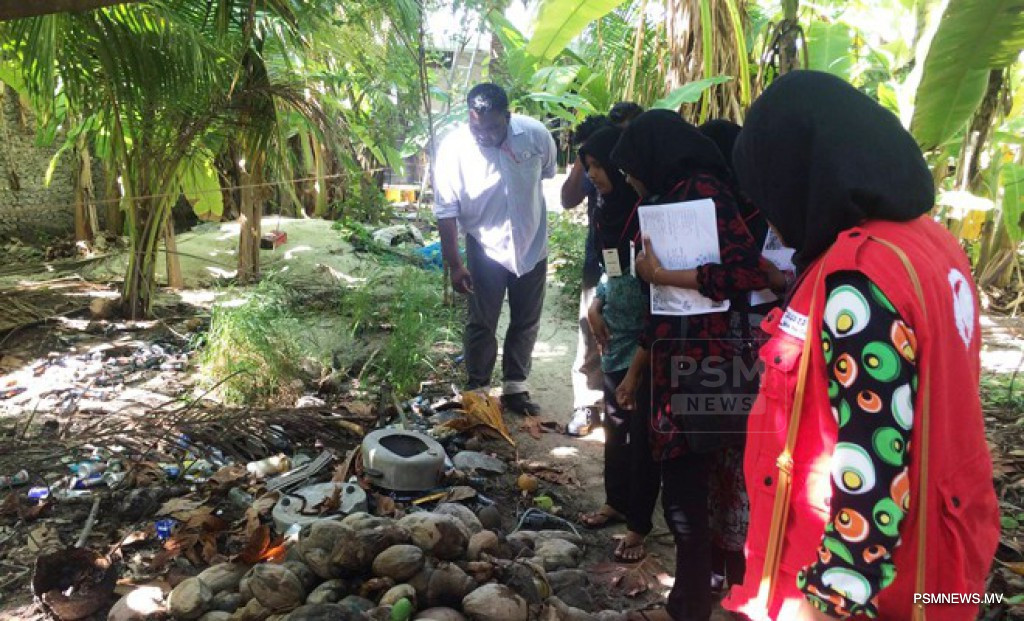
Community vector control initiatives | Photo: PSM news
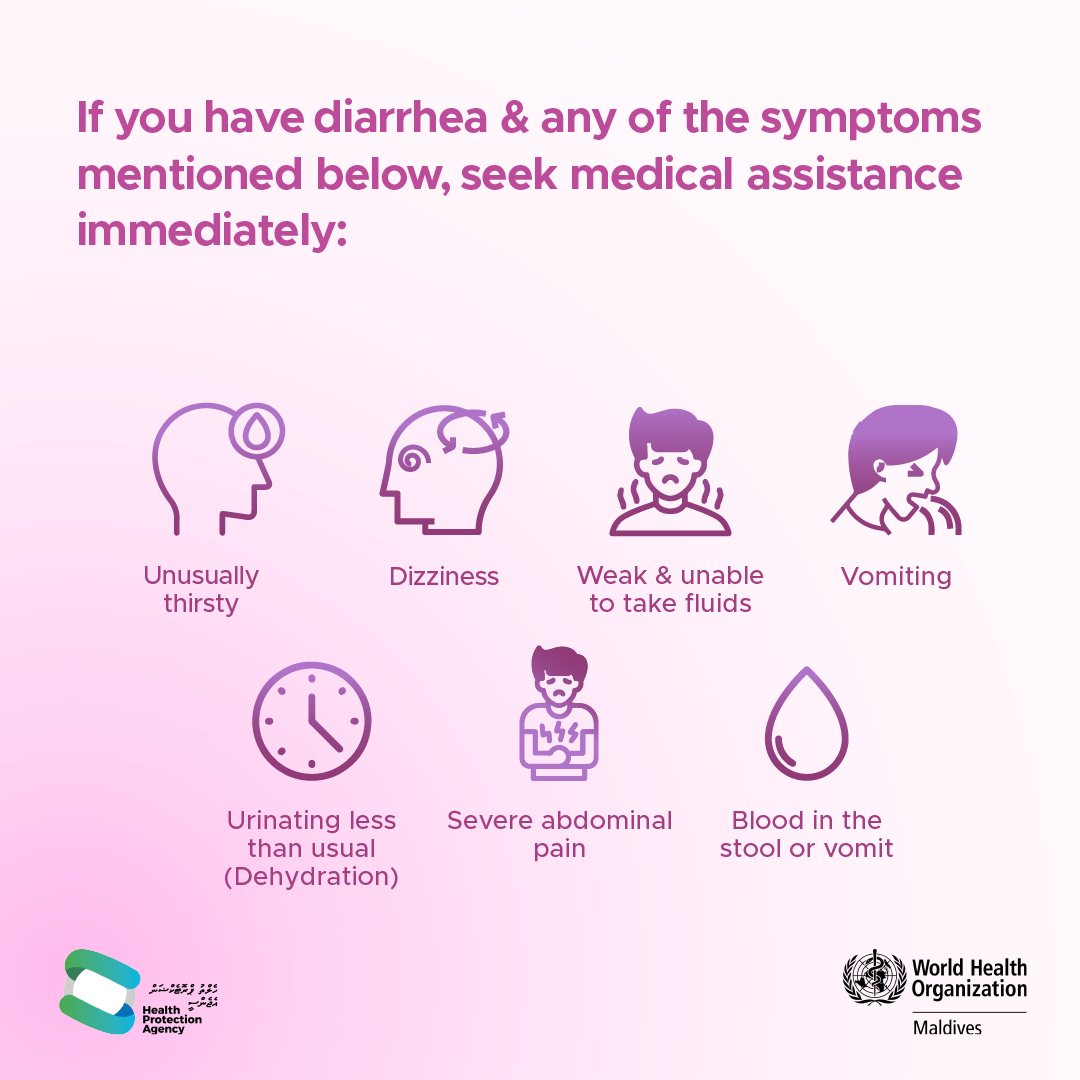
example of advisories by Health Protection Agency | Photo: HPA
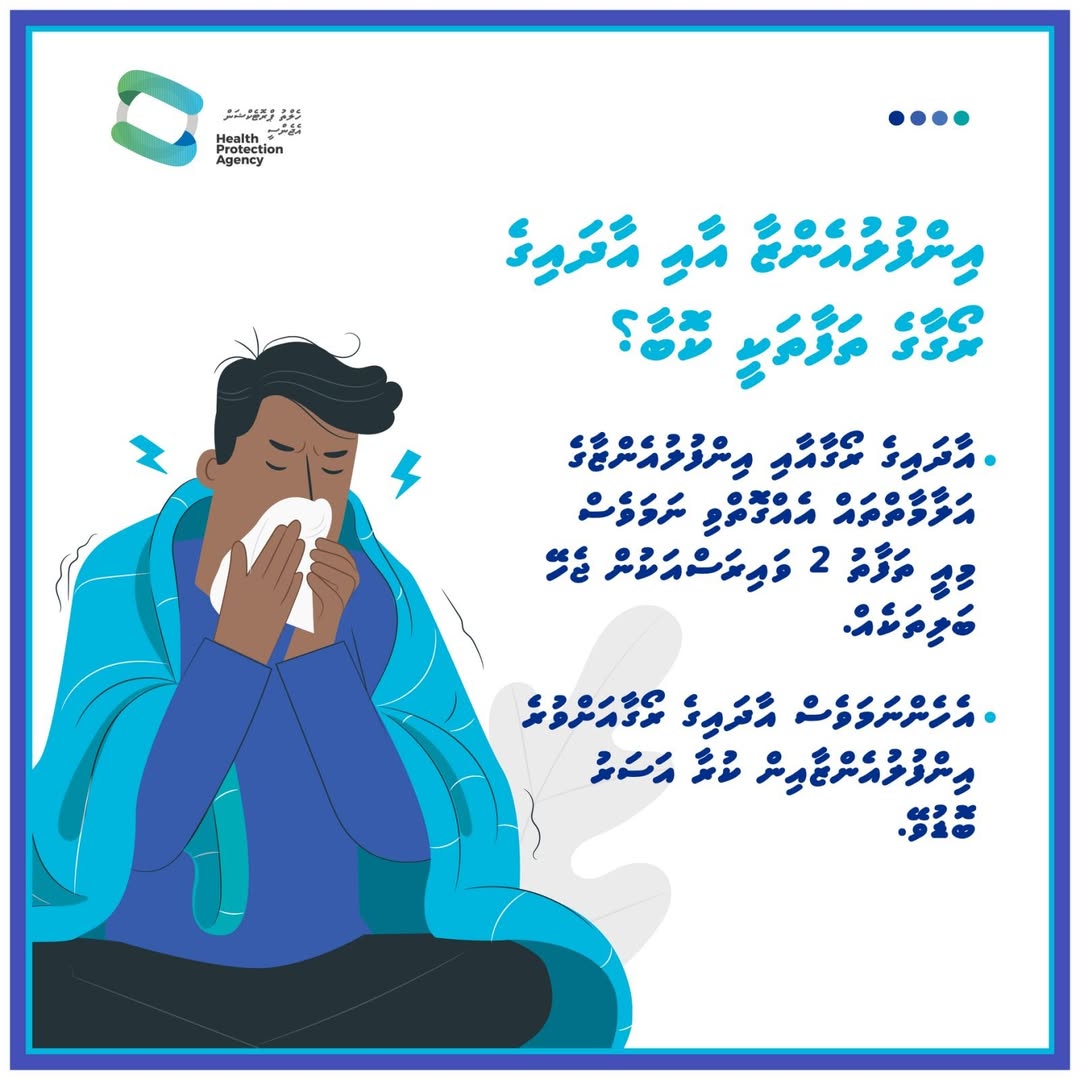
example of advisories by Health Protection Agency | Photo: HPA
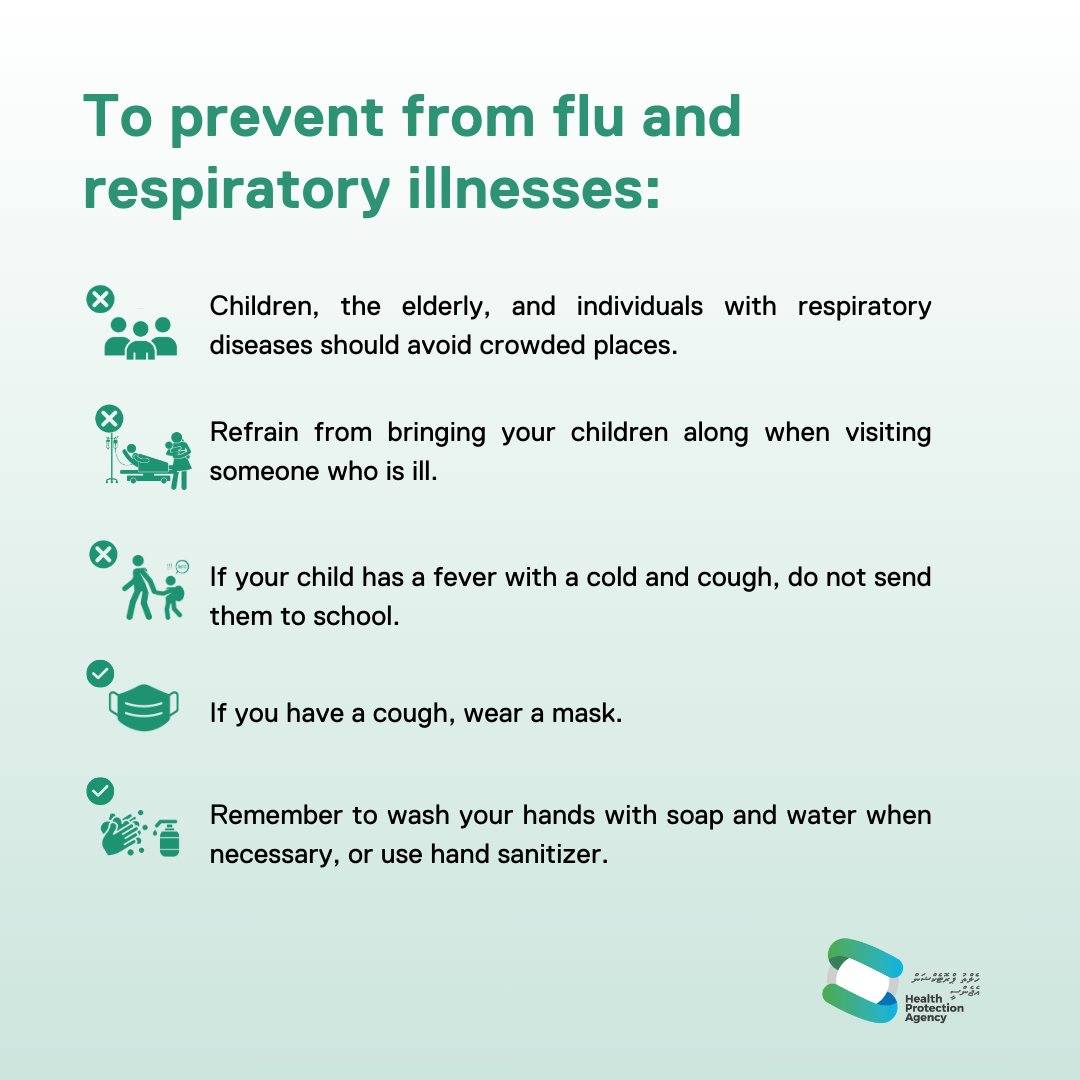
example of advisories by Health Protection Agency | Photo: HPA
What impacts can epidemics cause?
Epidemics can affect individuals, households, and systems in multiple ways:
When epidemics coincide with other hazards, such as flooding or heat stress, their impacts can be significantly amplified.
Warning signs and public health advisories
Potential indicators of an epidemic include:
Sudden increases in reported illness or similar symptoms within a community
Official health alerts or advisories issued by authorities
Changes in public health guidance related to prevention or movement
Following official guidance during these periods is critical to limiting spread.
Practical preparedness actions for epidemics
Individuals and communities play a key role in epidemic prevention and control.
Preparedness and early action help protect individuals and reduce strain on health services.
Linkages to other hazards
Epidemics are closely linked to several other hazards including:
Flooding, which can affect water quality and sanitation
Dry periods, which limit water availability for hygiene
Heat stress, which can worsen health outcomes
Water and sewerage system failures, increasing exposure to disease
Understanding these linkages supports more effective risk reduction and preparedness.
Reducing risk through early action and collective responsibility
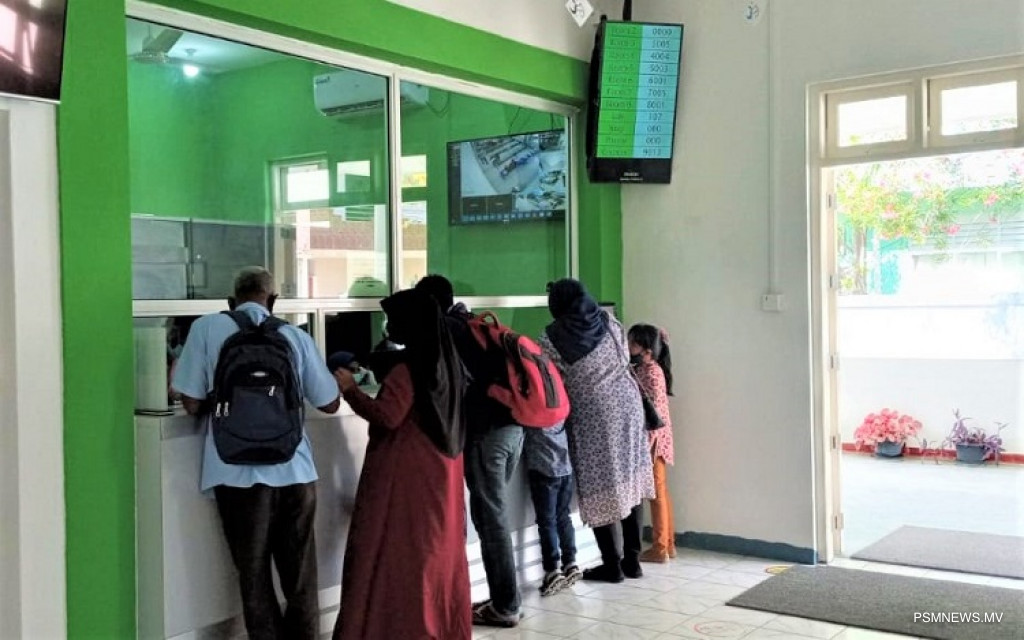
Epidemics are most effectively managed when early detection, clear communication, and collective action are in place. In the Maldives, strong surveillance systems and community cooperation are essential to preventing outbreaks from escalating.
By staying informed, following health guidance, and supporting one another, communities can reduce epidemic risk and protect public health.