Learn how the decline of mangroves and wetlands threatens our coastlines, freshwater, fisheries, and livelihoods and what communities can do to protect and restore what remains.
What is Loss of Mangroves and Wetlands?
Loss of mangroves and wetlands refers to the destruction and decline of mangrove habitats and adjoining wetland ecosystems resulting from both human and natural causes. Mangroves are salt-tolerant, woody trees and shrubs that grow in intertidal zones, specialised for life at the edge of land and sea, with intricate root structures and salt secretion systems that allow them to survive where almost nothing else can.
In the Maldives, where coastlines are low, islands are small, and the margin between land and sea is thin, the loss of these ecosystems is not a peripheral environmental concern. It is a direct threat to the resilience of island life.
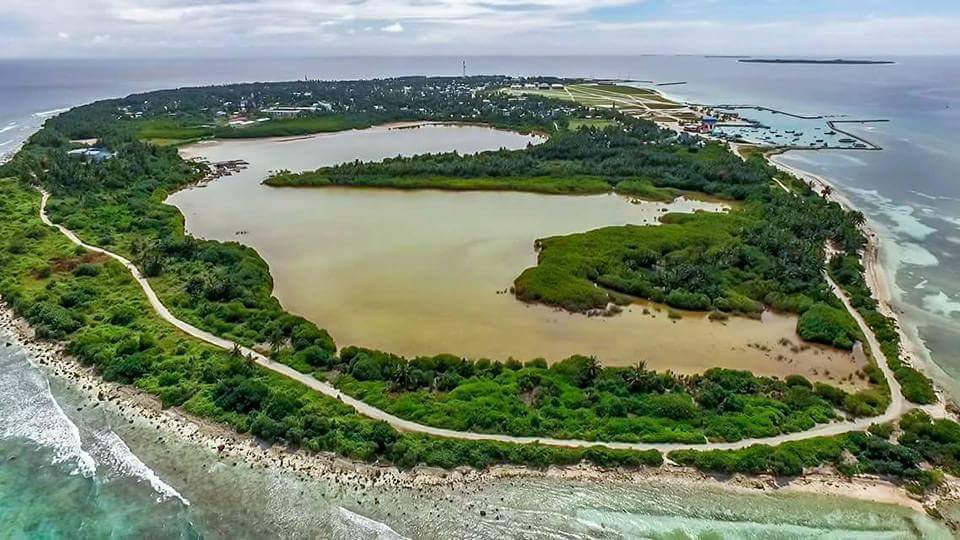
Hdh. Kulhudhuffushi City mangrove system, 2018 | Photo: Maldives Independent
Mangroves & Wetlands in the Maldives
A 2025 study identified 14 mangrove species across 108 islands in the Maldives with the greatest abundance and diversity concentrated in the northern and southern atolls. These ecosystems take four forms across the archipelago: marsh-based, pond-based, embayment, and fringing systems. Each plays a different role.
Mangrove forests stabilise shorelines and shield communities from storms and salt spray. Their root systems capture excess surface water and help recharge the freshwater lenses that islands depend on. They can sequester carbon at rates five times higher than tropical rainforests, a remarkable capacity for ecosystems of their scale. Their shallow waters serve as nursery grounds for sharks, rays, and reef fish that are essential for fisheries and local food security. The adjoining wetlands provide habitat for harvesting traditional food sources including taro.
Kan'doo (Bruguiera cylindrica) the species most associated with northern atoll mangroves carries deep cultural memory.
During World War II, Kan'doo was sourced from northern atolls and distributed to islands across the country facing famine.
Mangrove timber has supplied construction and boat-building for generations.
Raw materials from these ecosystems underpin coir rope and thatch mat weaving — livelihoods that rural women across the atolls still rely on today.
Their potential for ecotourism has also been increasingly recognised in recent years.
Mangroves and Wetlands are ecosystems that entire communities are quietly built around.
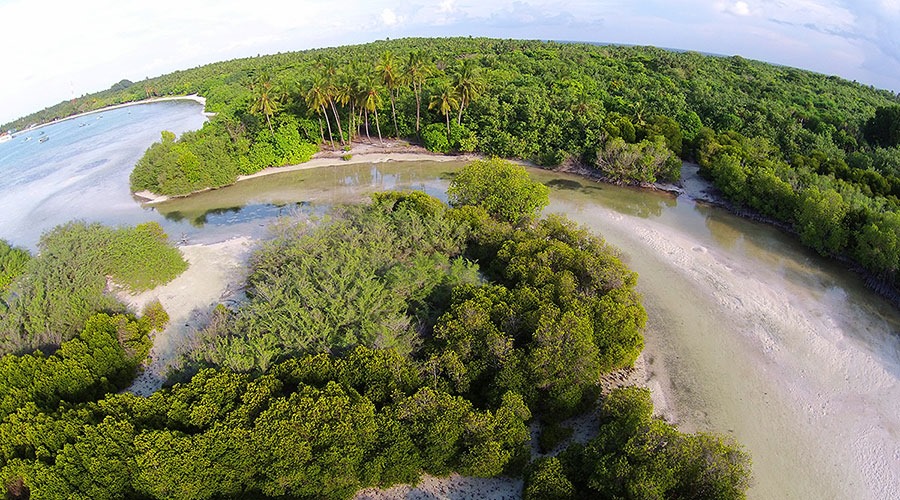
Mangrove & Wetland systems in the Maldives | Photo: UNDP Maldives
What is Threatening Our Mangroves
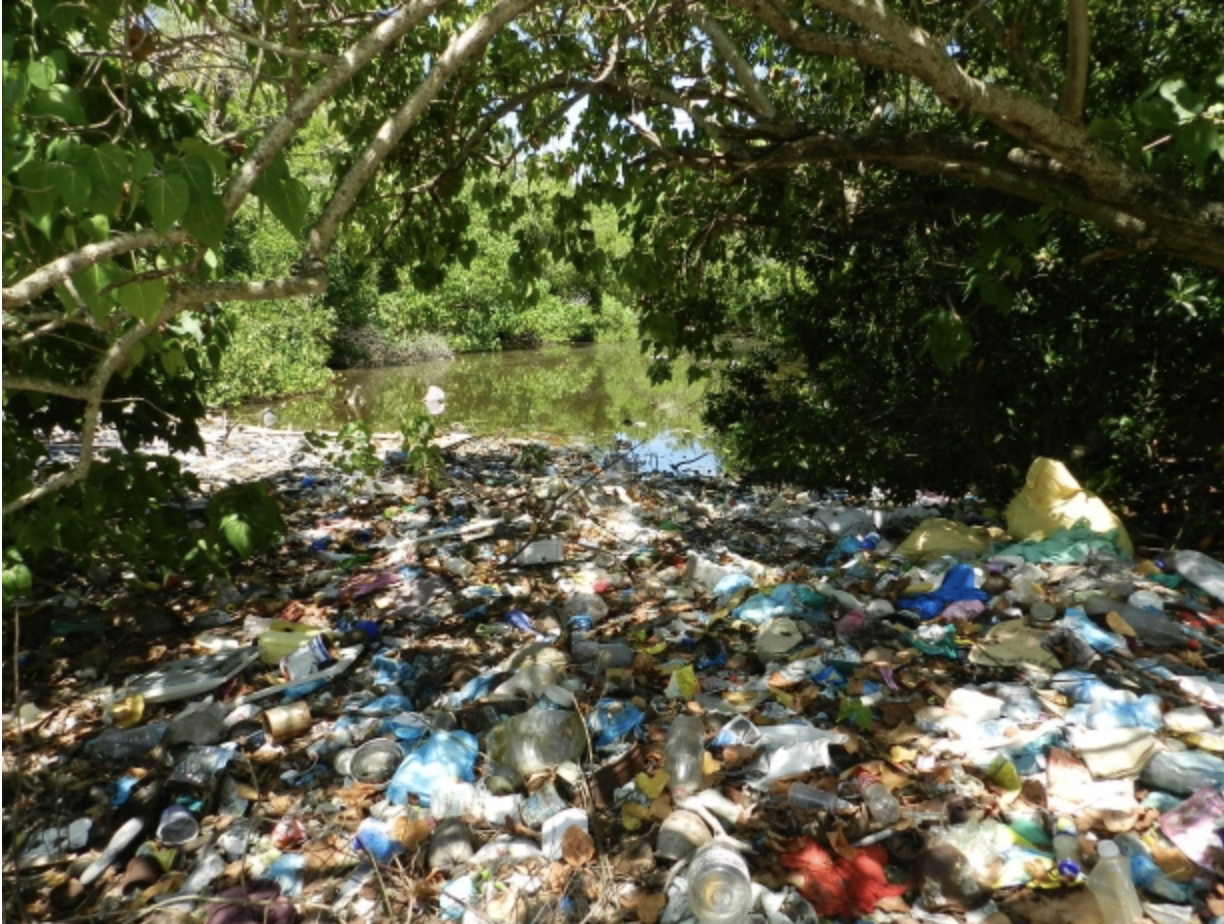
Mangrove site in the Maldives | Photo: Mangroves for the Future
Potential Impacts of loss
Coastlines lose a vital natural buffer
Mangroves absorb wave energy, intercept salt spray, and stabilize shorelines. Where they disappear, islands become more exposed to flooding, erosion, and coastal damage during storms. The protective function of a healthy mangrove system cannot be replicated by hard engineering. Sea walls and revetments cost far more, require constant maintenance, and do not provide the ecological services that living mangrove ecosystems deliver.
Freshwater becomes harder to protect
Mangrove root systems capture surface water and channel it into the freshwater lens . When this function is lost, freshwater recharge weakens. Combined with saltwater intrusion, communities face compounding pressure on an already limited resource. On small islands already under water stress, this loss accelerates dependence on expensive desalination.
Impact on food security
The shallow root systems of mangrove forests are nursery grounds for juvenile fish, sharks, and rays. Their loss reduces the populations of species that Maldivian fisheries and households depend on daily. The economic and nutritional impacts fall hardest on island communities where reef fish is the primary protein source and market alternatives are limited.
Livelihoods, crafts, and culture are diminished
Women across the atolls rely on mangrove-derived raw materials for coir rope weaving, mat making, and thatch production. The loss of these species removes the material foundation of informal livelihoods that communities have depended on for generations. Beyond economics, the disappearance of mangroves severs connections to traditional knowledge, cultural identity, and what Maldivians have long understood as the character of their island.
Cascading Impacts
Mangrove loss accelerates coastal erosion. It weakens freshwater supplies. It reduces fish populations. It degrades the health of adjacent coral reef and seagrass ecosystems. It reduces blue carbon storage, contributing to the very climate change that is driving mangrove decline. Each effect compounds the others. The loss of mangroves does not stay in the mangroves, it travels across every system that island communities depend on.
How You Can Help Protect Our Mangroves & Wetlands
Mangrove ecosystems can recover but only if pressure on them is reduced and active restoration efforts are supported. There is a clear role for every community member, island council, and decision-maker.
Protect Mangrove Areas from Encroachment Know where mangrove and wetland zones are on your island. Avoid any activity clearing, dumping, or building that damages or encroaches on these areas.
✓
Support Replanting and Restoration Community replanting initiatives or supporting these efforts is the most direct contribution any community member can make to restoring what was lost.
Keep Waste Away from Wetlands Waste dumped in or near mangrove areas degrades soil chemistry and water quality. Use designated waste facilities. Mangroves growing in contaminated conditions weaken and die faster and the recovery process takes years.
Report Damage and Illegal Clearing Mangrove clearing or damage that violates the Environmental Protection and Preservation Act can be reported to the Environmental Regulation Authority or your island council. Early reporting prevents further damage before it becomes irreversible
✓
Raise Awareness in Your Community Talking about mangroves, their value, and what threatens them builds the community understanding that makes protection possible.
✓
Support Research and Monitoring Baseline data on mangrove distribution, health, and recovery in the Maldives remains incomplete. Community-contributed observations reported through local councils, ERA and CSO's help build the national picture that effective conservation requires.
Learn More
Mangroves and wetlands are legally protected under the Environmental Protection and Preservation Act, the National Biodiversity Strategy and Action Plan, and through international commitments including the Convention on Biological Diversity and CITES. Several mangrove ecosystems have been designated as protected sites, with ongoing efforts to expand this network.
Mangrove wetlands of Hdh. Neykurendhoo
Mangrove Restoration Series - Wetland International
Maldives underwater Initiative - How Laamu Gaadhoo Mangrove Changed