What is a power supply disruption?
Power outage occurs when the delivery of electricity is partially or completely interrupted, either for short periods or extended durations, depending on the cause and scale of the disruption.
In the Maldives, electricity is essential and the impact of power outage can cascade into multiple sectors such as water supply, healthcare, communications and education. As a result, power disruptions can quickly affect daily life and essential services across entire islands and cities.
How does the power system operate in the Maldives?
Due to the geographic dispersal and isolation of islands, each inhabited island in the Maldives operates its own power generation and distribution system. This means that power is generated locally and distributed through small island-level grids.
Historically, most island powerhouses have relied on diesel-based generators, supplying electricity through modest grid networks with limited flexibility. While the Maldives achieved universal access to electricity in 2008, many systems remain vulnerable to breakdowns, fuel supply disruptions, and extreme weather.
In recent years, the Government has made concentrated efforts to strengthen and modernise power infrastructure, including:
Expanding generation capacity
Upgrading distribution systems
Transitioning towards renewable energy, particularly solar power
As of 2024:
Total national generation capacity is approximately 600 MW
About 68.5 MW is generated through solar photovoltaic systems
Malé, the largest urban centre, has a capacity of around 140 MW
Only a small number of outer islands have capacities above 1 MW, while most islands operate between 100 kW and 800 kW
This means many islands operate close to their capacity limits, especially during peak demand.
Why power outage is a growing risk
Electricity demand in the Maldives has more than doubled since 2009, driven by population growth and the expansion of sectors such as tourism, fisheries processing, and manufacturing. To meet this demand, the country remains highly dependent on imported fuel:
Diesel is the primary fuel for electricity generation on most islands
Fuel is mainly imported through the State Trading Organization, with additional private-sector involvement
Fuel is transported to outer islands via sea-based supply chains, which are vulnerable to weather disruptions
This reliance creates multiple risks:
At the same time, local technical capacity and the resilience of conventional power infrastructure remain limited. As demand increases, technical failures and load-related outages are becoming more common, particularly in densely populated areas.
What triggers power supply disruptions?
Power outages in the Maldives can be caused by:
Equipment failure or technical faults, especially during peak demand
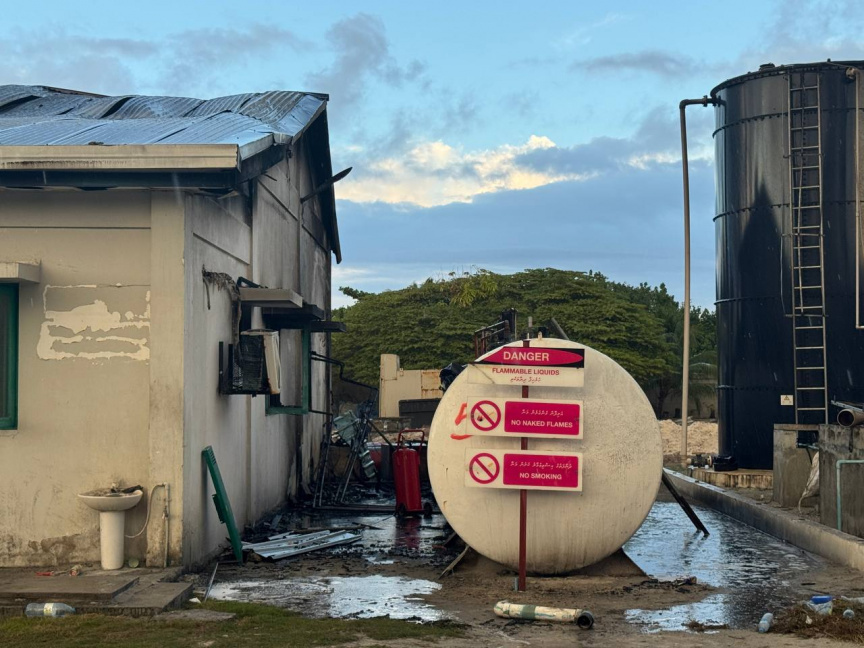
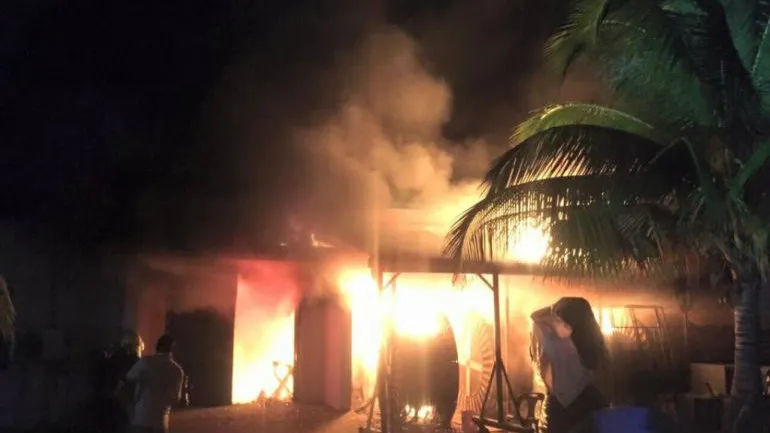
Damage to powerhouses or distribution lines from strong winds, flooding, or fire incidents
Saltwater exposure and corrosion in coastal environments
Fuel supply interruptions or delays
Climate-related hazards such as severe storms and flooding, as well as exposure to the impacts of a tsunami significantly increase the risk of prolonged outages.
What impacts can power supply disruption cause?
Power outages can have widespread and cascading impacts, including:
Because island systems are tightly interconnected, a power outage can quickly amplify the impacts of other hazards.
Reducing risk through preparedness and transition
Power supply disruption is a critical systemic risk in the Maldives. While short-term outages may be unavoidable, long-term risk reduction depends on:
Strengthening and climate-proofing island power infrastructure
Expanding renewable energy generation and storage
Improving fuel supply resilience
Managing demand growth and system loads
Supporting household and community preparedness
Preparedness at household level, combined with continued system-level investment and coordination, is essential to maintaining stability in the power sector and reducing cascading impacts during emergencies.