What is Sewerage System Failure?
A sewerage system failure refers to any breakdown, blockage, overflow, or operational disruption in the collection, treatment, or disposal of wastewater from households, businesses, or public facilities.
In the Maldives, sewerage systems are essential for maintaining public health, sanitation, and environmental safety. Failures in these systems can quickly lead to contamination, health risks, and disruption to daily life.
How does the sewerage system operate in the Maldives?
Due to the dispersed nature of islands, sewerage systems in the Maldives are island-based, with each inhabited island operating its own wastewater collection and disposal system.
Most islands now use:
Centralised sewerage networks connected to pumping stations
Outfall systems or treatment plants for wastewater disposal
Household connections linked to island-wide systems
These systems were developed to replace earlier practices of septic tanks and uncontrolled discharge, improving sanitation and environmental conditions. However, many systems:
Depend on continuous power supply
Require regular maintenance and technical oversight
Operate with limited backup or redundancy
This makes them vulnerable to disruptions caused by technical issues and external hazards.
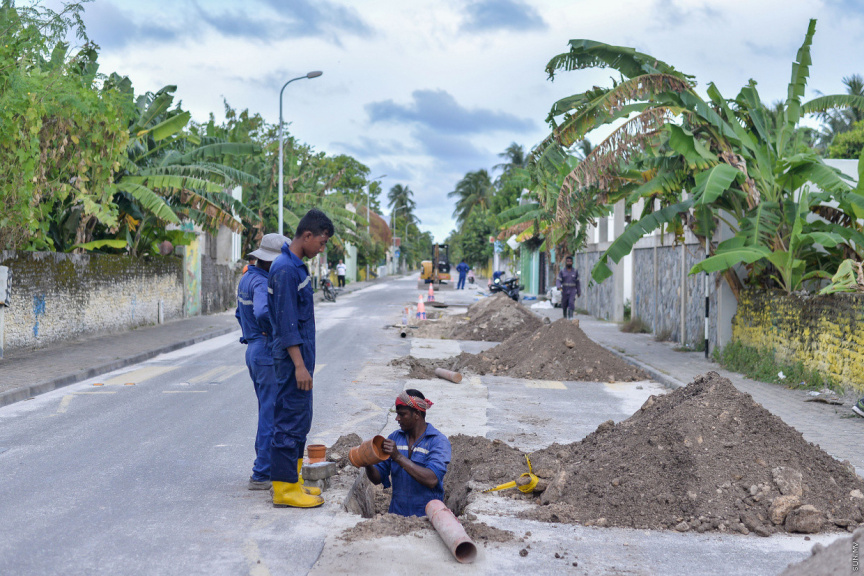
Why sewerage system failure is a growing risk
The expansion of sewerage infrastructure across the Maldives has improved sanitation, but also introduced new system dependencies.
Key risk factors include:
Increasing population and higher wastewater volumes
Dependence on pumping stations and electrical systems
Limited space on islands for infrastructure expansion
Technical capacity constraints for maintenance and operations
Exposure to flooding, heavy rainfall, and coastal hazards
Climate-related impacts such as flooding and rising sea levels further increase the likelihood of system stress and failure.
What triggers sewerage system failure?
Sewerage system failures in the Maldives can be caused by:
Because many systems rely on continuous operation, even short disruptions can lead to rapid overflow or backup of wastewater.
What impacts can sewerage system failure cause?
Sewerage system failures can have significant health, environmental, and social impacts. In severe cases, failures can directly affect drinking water safety and community health.
Some of the impacts include
Reducing risk through preparedness and system strengthening
Sewerage system failure impactcan have direct link to public health and environmental safety.
Reducing risk depends on:
Strengthening and maintaining sewerage infrastructure
Improving system capacity and redundancy
Ensuring reliable power supply to pumping systems
Enhancing routine maintenance and rapid response mechanisms
Promoting proper waste disposal practices
At the household and community level:
Avoid disposing of inappropriate waste into sewer systems
Report blockages, leaks, or overflows early
Follow public advisories during system disruptions
Strong system management, combined with community awareness, is essential to maintaining safe sanitation and protecting public health across island communities.
Ministry of Tourism and Environment, responsible for policy and sector development
Utility Regulatory Authority, which regulates system design, operation, and service standards