What is a squall?
A squall is a sudden increase in wind speed, often associated with thunderstorms or intense rain clouds. Squalls may occur with little warning and can last from a few minutes to an hour. They are sometimes accompanied by heavy rainfall, lightning, and rapidly changing sea conditions.
In the Maldives, squalls are a commonly experienced weather hazard, particularly during unsettled weather and active monsoon periods. Although short-lived, squalls can cause damage and pose safety risks due to their sudden onset and strong winds.
How do squalls occur in the Maldives?
Squalls in the Maldives typically occur when strong rain clouds or thunderstorm systems move rapidly across the islands or surrounding ocean. These systems cause a sudden downward rush of air, leading to a sharp increase in wind speed at the surface.
They are most likely to develop during:
• Periods of unsettled weather
• Active monsoon conditions
• Transitions between monsoon seasons
Because the Maldives is a low-lying island nation surrounded by open ocean, there are few natural barriers to slow down strong winds. As a result, squalls can move quickly across lagoons, coastal areas, and inhabited islands, affecting both land and sea almost simultaneously. This combination of sudden onset, strong winds, and open exposure makes squalls a frequent and impactful hazard in the Maldivian context.
What impacts can squalls cause?
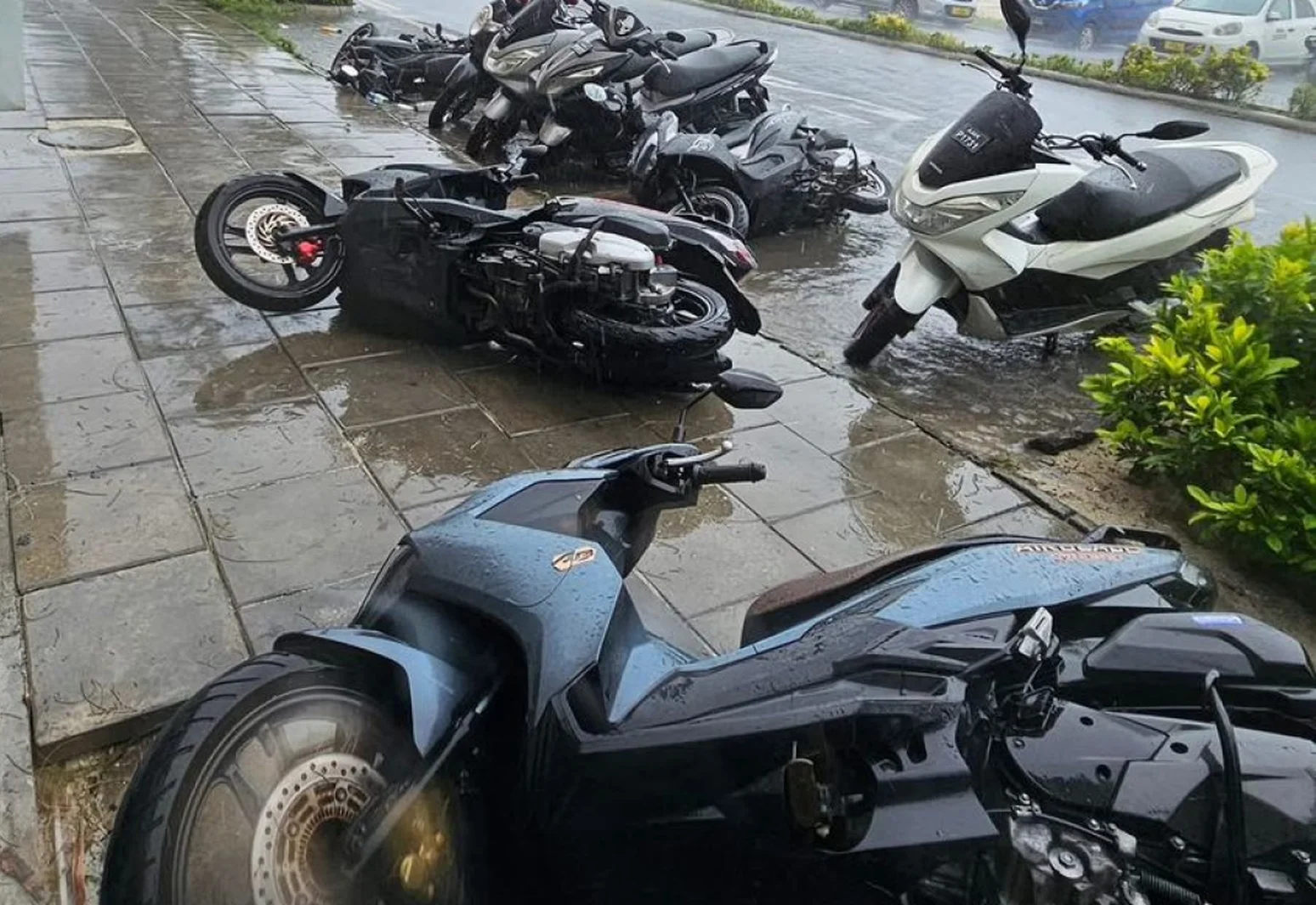
Although squalls are usually short in duration, they can cause widespread disruption in the Maldives. Sudden strong winds may damage roofs and temporary structures, topple or displace parked motorbikes, and create hazards from loose objects, while rough sea conditions disrupt ferry services and fishing activities.
Potential impacts include:
• Damage to roofs, temporary shelters, and unsecured property
• Increased danger to fishing vessels, ferries, and small boats at sea
• Disruption to harbour operations and inter-island transport
• Fallen trees and damage to vegetation
• Power outages and communication disruptions
• Higher risk of accidents during travel and outdoor activities
Because squalls often affect large areas at once, even brief events can interfere with daily movement, livelihoods, and essential services.
Warning signs and weather alerts
Squalls often develop quickly, weather updates and advisories issued by the Maldives Meteorological Service should be closely monitored, especially during monsoon seasons or periods of unstable weather. When squall conditions are developing, the following signs may be observed:
Rapid darkening or thickening of clouds, often indicating approaching intense rain or storm activity
Sudden strengthening of winds, including gusts that may change direction
Rough or choppy sea conditions, posing increased risk to vessels and harbour areas
Heavy rain starting abruptly, sometimes accompanied by reduced visibility
What to do during squall conditions, strong Winds and Severe Weather.
Reducing risk through awareness and preparedness
Squalls are a common part of the Maldivian weather system and can develop suddenly, bringing strong winds and heavy rain that pose risks to people, property, and livelihoods.
While these events are often short-lived, their impacts can be significant in island settings where transport, infrastructure, and daily activities are closely interconnected. Staying alert to changing weather conditions, taking early protective actions, and responding responsibly after the event helps reduce damage, support recovery, and strengthen the safety and resilience of island communities.