Flooding affected over 1,400 households in the Maldives in 2024. Practical guidance to prepare your home, protect your family, and stay safe during heavy rain and floods.
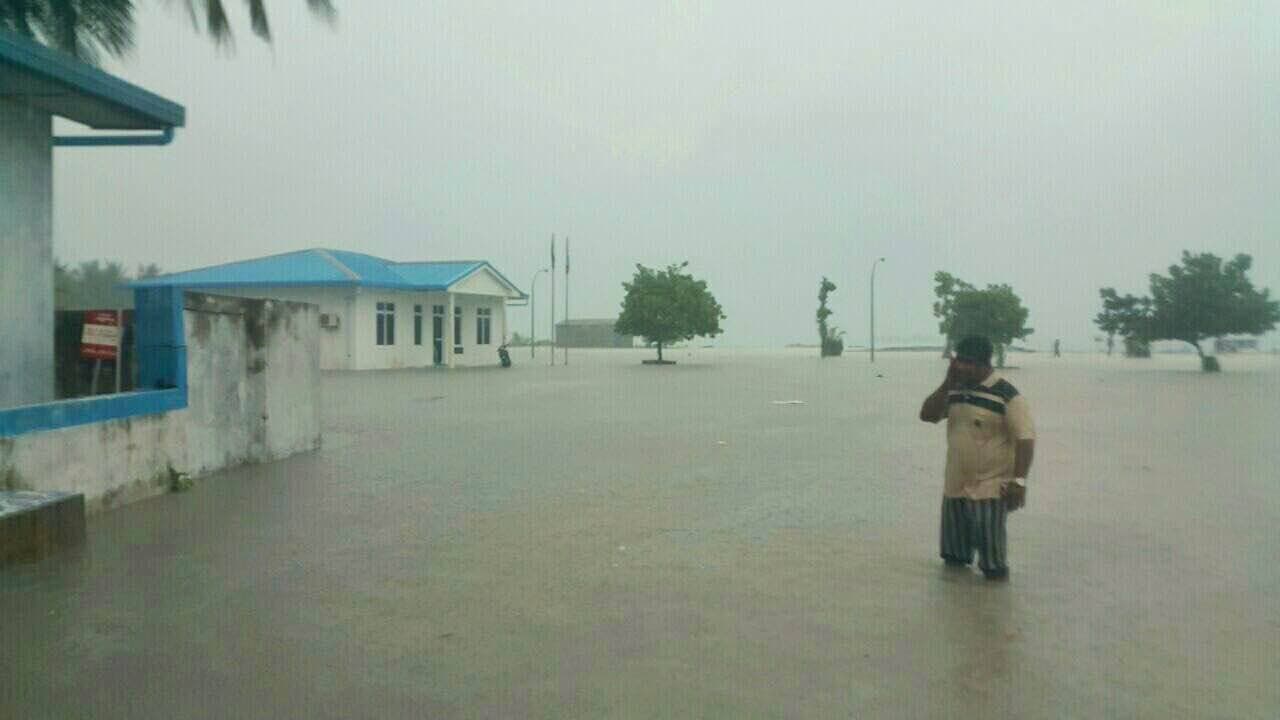
Flooding is the most frequently reported hazard in the Maldives. Heavy rain combined with limited drainage, low-lying land, and dense urban building means that a few hours of intense rainfall can leave streets submerged and homes damaged. Malé, Hulhumalé, and many island communities all experience flooding regularly during monsoon months.
The peaks usually fall in May and August months when rainfall can exceed 100mm in a single day on some islands. But flooding can happen any time the conditions align.
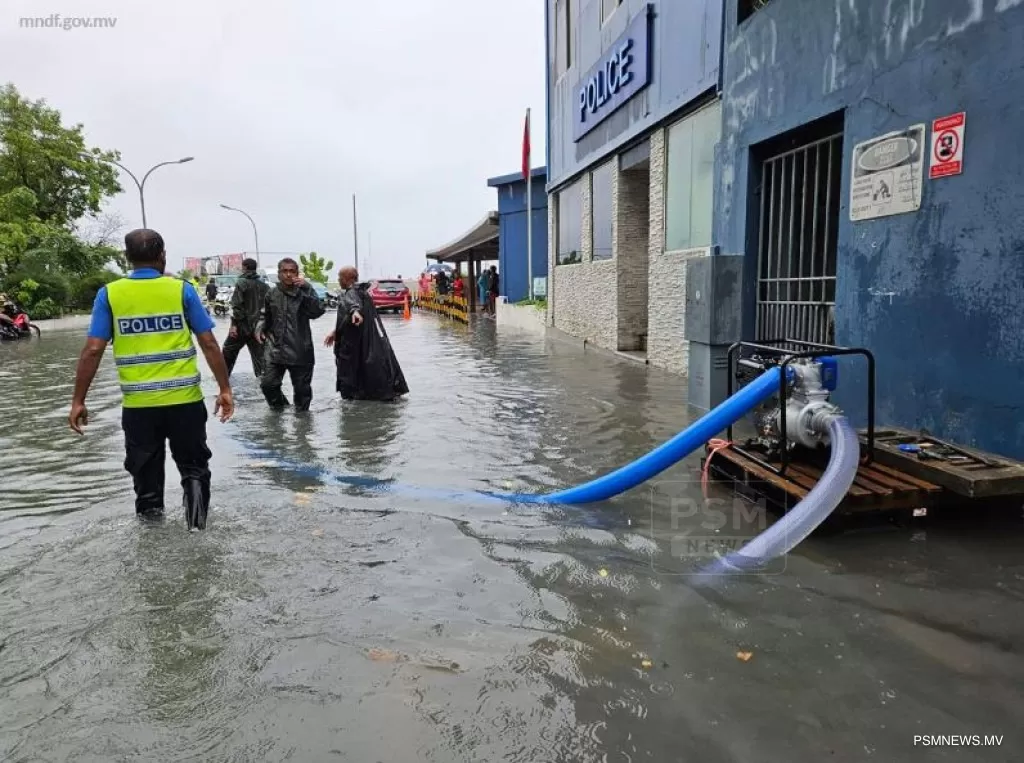
Flooding in Male' | Photo: PSM News
Knowing your risks
Before you can prepare for a flood, you need to know what kind of risk your home and area face.
Understand your local geography
Is your home in a low-lying area? Near a road or open space that floods regularly? On a ground floor? Knowing the local flood pattern is the starting point for every other decision.
Pay attention to your drainage
Blocked or overflowing drains are the most common cause of localized flooding. Take note of the drains around your home and report blocked ones to your island council or relevant authority.
Check your roof and walls
Cracks, leaks, and weak roofing become real problems during heavy rain. Repair small issues before the season, not during.
Talk to your neighbors
People who have lived in the area longer often know which spots flood first, which streets become impassable, and where water tends to gather. Local knowledge is one of the most reliable risk assessments there is.
Staying informed
When heavy rain is on the way, the earlier you know, the more time you have to act.
✓
Follow the Maldives Meteorological Service (MMS) - Weather alerts are colour-coded so you can see at a glance how serious the situation is. Pay particular attention to yellow, orange, and red advisories.
✓
Follow MMS and NDMA on social media. Updates are issued through Facebook, X and Viber communities — often the fastest way to get warnings.
Watch your local council channels. Island councils often issue area-specific guidance that national alerts won't always include.
Don't rely on a single source. Phones run out of battery, apps fail, group chats get muted. Following multiple channels is the most reliable way to make sure you don't miss the warning that matters.
Hushiyaaru Campaign - Flood Precautionary Actions
Planning for evacuation
Most floods in the Maldives don't require evacuation. But for those that do and for cases where damage to a home makes staying unsafe having a plan in advance saves time, stress, and risk.
Know where you would go.
A relative's home on higher ground, a designated shelter, a neighbor's upper floor - the destination should be ideally agreed before, not improvised during.
Plan how you would get there
Roads may be flooded, and vehicles may be unusable. Walk the route once during normal conditions to know what to expect.
Decide who is responsible for what
Who carries the children? Who supports an elderly relative? Who collects medications, important documents, and the emergency kit? Clear roles avoid confusion when seconds matter.
Agree on a meeting point
If your household is separated when the flood begins, where do you regroup? Pick somewhere known to everyone and easy to reach on foot.
Protecting your belongings
A flood can damage in minutes what took years to build. A few simple steps go a long way in protecting what's important.
✓
Move valuables and electronics to higher ground. Anything on the floor or in low cabinets is at the most risk. Lift mattresses, computers, important documents, and electrical items off ground level.
✓
Store important documents safely. Identity cards, passports, property records, insurance papers, medical records - keep them in a waterproof bag or container, in a high place, ideally with digital copies stored online.
✓
Protect food and clean water. Floodwater can contaminate stored water and packaged food. Move drinking water and dry goods to elevated, sealed locations.
✓
Use sandbags or barriers if you can. For homes that flood regularly, sandbags placed at doorways and low entry points can slow water entry significantly.
✓
Know where your electrical mains are. If water enters your home, you may need to switch off electricity at the mains to prevent shock or fire risk.
Building back stronger
If your home has flooded before or if you're planning renovations or new construction there are practical steps that reduce future risk.
Raise floor levels where possible, especially for ground-floor rooms in flood-prone areas.
Use flood-resistant materials for lower walls and floors - tiles, cement, and treated surfaces handle water far better than untreated wood or carpet.
Improve drainage around the home. Channels, gravel beds, and proper grading can move water away from your foundation rather than into it.
Install elevated power outlets in rooms that have flooded before.
Invest in better roofing and gutters. A roof that handles heavy rain well prevents many problems before they reach the ground floor.
These changes don't all need to happen at once. Even small improvements made over time can make a meaningful difference the next time water rises.
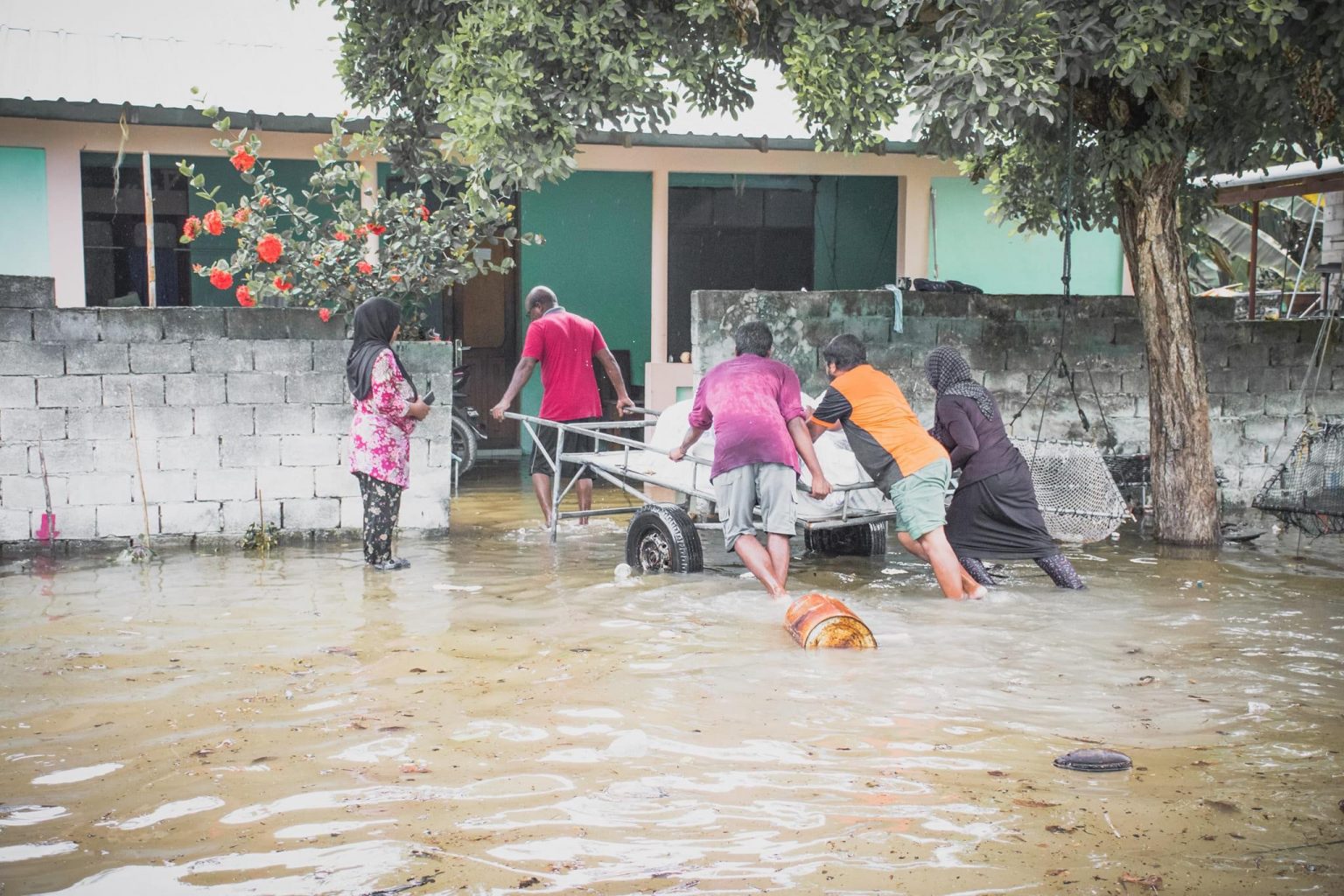
Flooding due to sea swells in Madaveli | Photo: The Times of Addu
During and after the flood
When flooding is happening or has just happened, safety comes first.