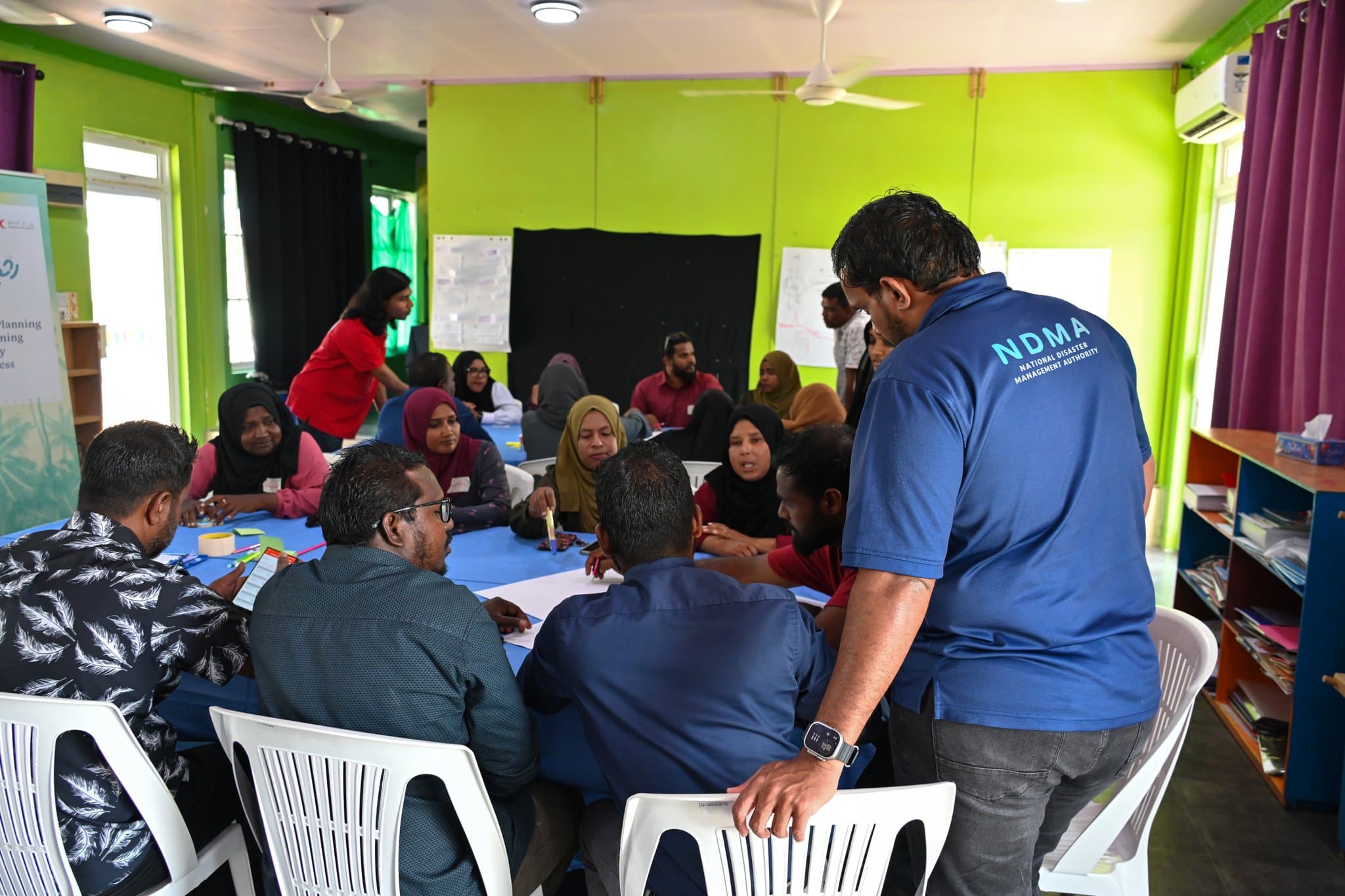
When a hazard hits, it doesn't affect everyone equally. A flood, a fire, or a storm can leave some people more exposed than others. Inclusive preparedness means making sure that when the moment comes, everyone in your home and your community is ready.
Why inclusion matters
Most emergency plans are built around an "average" person, someone who can move quickly, hear an alert, read a warning, and act independently. But real households don't look like that. Real homes include children, elderly parents, family members with disabilities, household helpers, and people whose first language may not be Dhivehi.
A plan that works only for some isn't really a plan. Inclusive preparedness fixes that.
What it looks like in practice
Talk together, plan together.
Don't make decisions for vulnerable family members. Make decisions with them, ask what they need, what worries them and what would help. This helps you plan better and plan together
Think about how people receive warnings
Will an elderly relative hear an alert on a phone they rarely check? Will a household helper understand a Dhivehi-only message? Will a child know what a yellow alert means? Find ways to ensure people understand the warnings they receive.
Plan for mobility, medication, and access
Some family members may need extra time, help moving, or access to medication. Build these needs into the plan, not as an afterthought.
Identify a backup person for everyone
Every member of the household should have at least one person inside or outside the home - who can support them in an emergency.
Practice together
A plan that's never been talked through doesn't work in a real moment. Walk through it. Ask questions.
A simple checklist
Has every person in your household been part of the planning conversation?
Does everyone know what each alert level means?
Have you included medications, mobility needs, and dietary needs?
Does each vulnerable person have a backup contact?
Does your household helper or migrant worker know the plan?
Have you walked through the plan with everyone at least once?
Inclusive preparedness isn't just a household practice, at it's core it's a community one. Check on neighbors during alerts. Help elderly residents who live alone. Make sure persons with disabilities are part of community drills, not absent from them.