Dengue and chikungunya are among the most common mosquito-borne illnesses in the Maldives, all transmitted by Aedes mosquitoes that bite during the day. These diseases can affect anyone, but they pose particular risk to children, the elderly, pregnant women, and people with existing health conditions. Preventing transmission depends on small, consistent actions taken in every home and community.
A small mosquito, a real risk
The Aedes Aegypti and Aedes Albopictus mosquitoes most active in the morning and evening are the carriers of dengue, and chikungunya in the Maldives. These diseases are most common after heavy rains, when standing water gives mosquitoes the perfect place to breed. Aedes eggs can survive 6 months to a year without water and hatch the moment they're submerged again. That's why an empty container left in the rain can become a mosquito breeding ground in days.
Children, pregnant women, the elderly, and people with chronic illnesses are at higher risk. Zika is particularly serious during pregnancy because of the risk to the unborn baby.
Know what to look out for
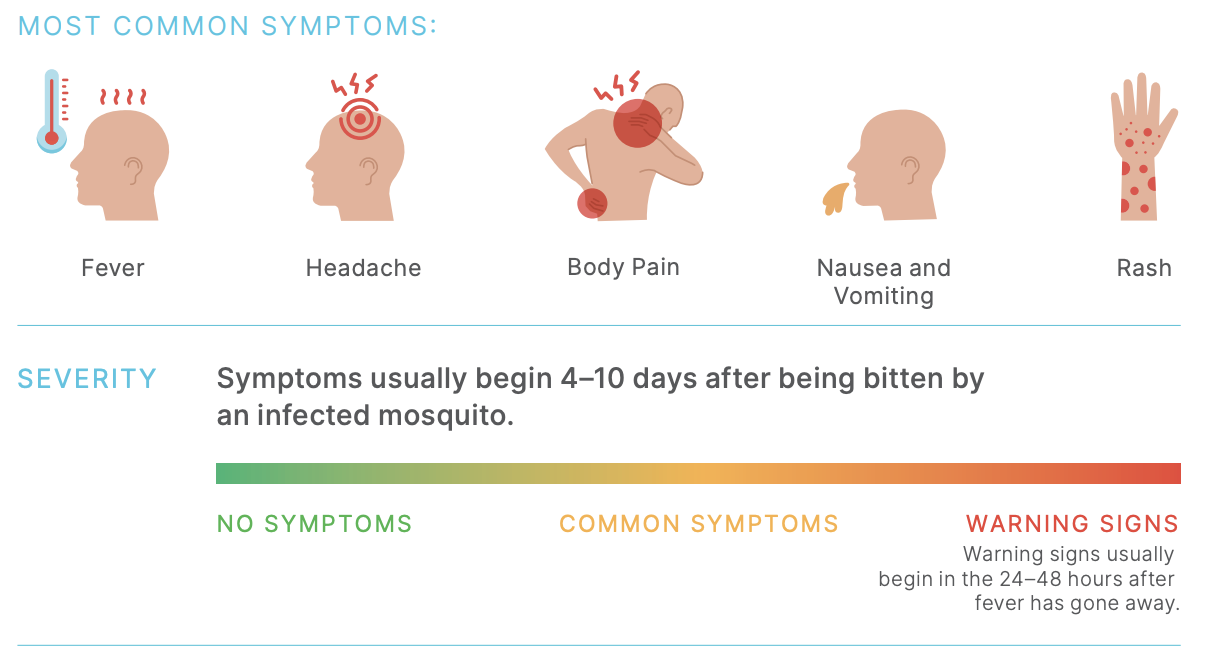
These diseases share many symptoms. Knowing what to watch for helps you act early.
If any of these appear, seek medical help immediately. Dengue can be life-threatening if not treated in time.
Protecting your home
Most prevention happens at home. The simple rule - no standing water, no mosquitoes.
Protecting yourself
A few personal habits make a real difference, especially during peak mosquito hours.
Looking after your community
Vector-borne diseases don't stop at one household. A breeding site in a neighbors yard becomes your problem too. That's why community action matters.
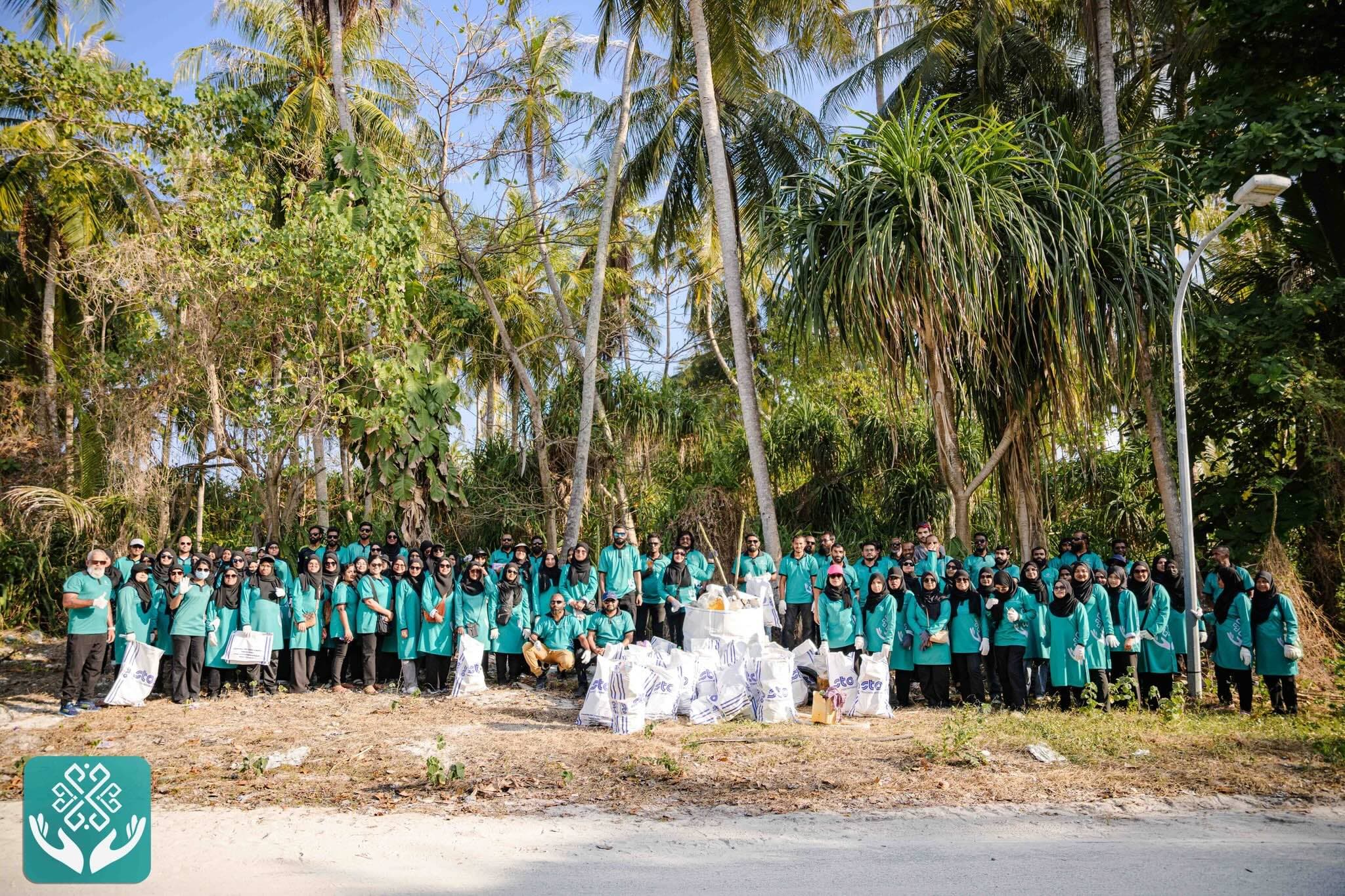
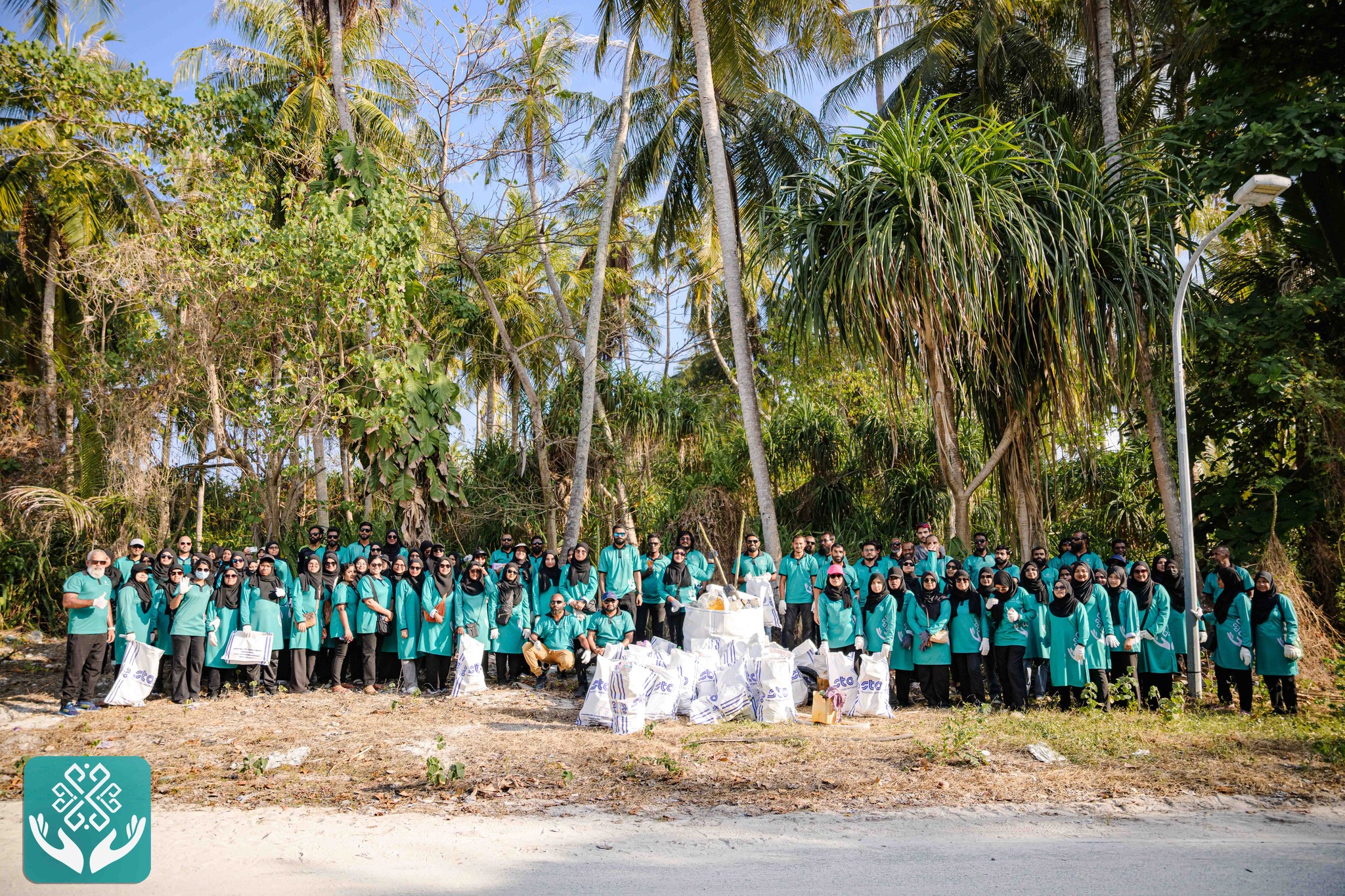
Take part in island council cleanups : Picking up rubbish, clearing drains, and removing standing water from public areas reduces mosquito populations across the whole island.
Don't dump waste on roadsides: Discarded plastic and containers collect rainwater and turn into breeding grounds.
Talk to your neighbours: A weekly check across a community is far more effective than one household trying alone.
Report problem areas to your island council : If there's a public space with persistent standing water or visible mosquito breeding, ask for it to be addressed.